
Cryptocurrency
In today’s digital age, cryptocurrencies have gained immense popularity, transforming the way we think about money and transactions. As the use of cryptocurrencies grows, understanding the tools that facilitate their management becomes essential. https://lise-dautry.com/what-is-freelancing-how-to-work-for-yourself-2/ Among these tools, the cryptocurrency wallet plays a pivotal role, acting as a digital vault for your assets. This article will delve into what cryptocurrency wallets are, the different types available, their significance, and how to choose the right one for your needs.
A hardware wallet is an external accessory (usually a USB or Bluetooth device) that stores a user’s keys; a user can only sign a transaction by pushing a physical button on the device, which malicious actors cannot control.
First, because you are the only one who has access to your private keys, non-custodial wallets are much more secure than custodial wallets. If a non-custodial wallet is hacked, your crypto is safe because the hacker does not have your private keys.
When selecting a cryptocurrency wallet, consider your specific needs, such as how frequently you plan to transact and the amount of cryptocurrency you hold. For everyday transactions, a hot wallet may be sufficient. However, if you intend to hold larger amounts for a long time, investing in a cold wallet is advisable.
A crypto wallet is a secure tool that helps you store, manage, and interact with your cryptocurrencies. Whether you’re buying, selling, or trading digital assets, a wallet is key to safely managing your funds. This article walks you through the basics of crypto wallets and explains why Trust Wallet is the best crypto wallet for newbies.
Cryptocurrency prices
The Merge implements several critical changes to Ethereum. First, it merges the existing PoW Ethereum mainnet with the Beacon Chain, a PoS chain. Together, the two chains will form the new proof-of-stake Ethereum, which will consist of a consensus layer and an execution layer. The consensus layer will synchronize the chain state across the network, while the execution layer handles transactions and block production.
In regards to its advisors, the group is made up of Dogecoin founder Billy Markus, the project’s core developer Max Keller, Ethereum founder Vitalik Buterin and Elon Musk as represented by the head of the Musk’s family office, Jared Birchall.
This came on the back of an impressive bull run, where Solana price gained over 700% since mid-July 2021. The launch of the Degenerate Ape NFT collection sent SOL price to an all-time high (ATH) above $60, and it has been climbing since, largely due to higher developer activity on the Solana ecosystem, greater institutional interest, growing DeFi ecosystem, and the rise of the NFTs and gaming vertical on Solana. Solana price rose to an ATH of $216 on Sept. 9, 2021.
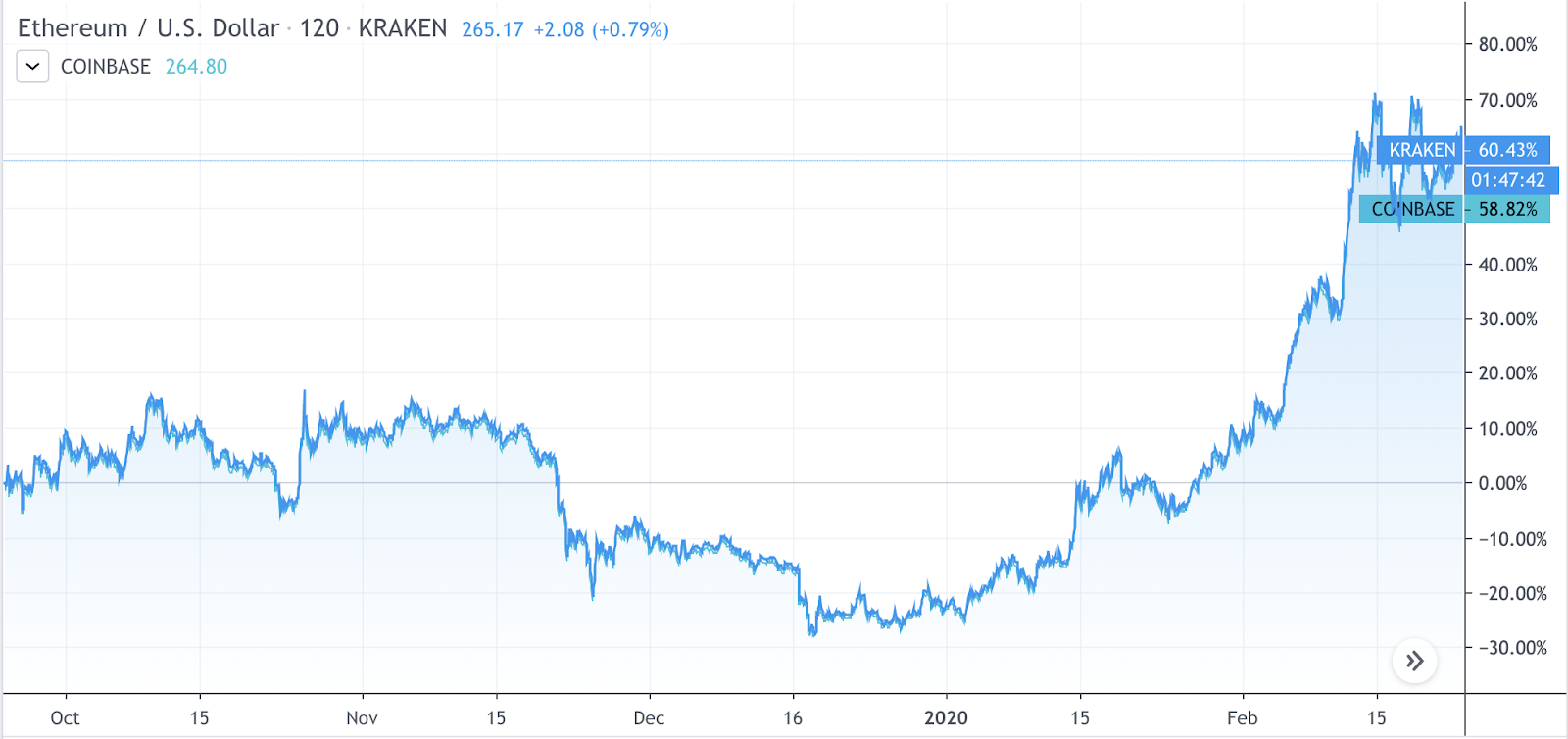
The Merge implements several critical changes to Ethereum. First, it merges the existing PoW Ethereum mainnet with the Beacon Chain, a PoS chain. Together, the two chains will form the new proof-of-stake Ethereum, which will consist of a consensus layer and an execution layer. The consensus layer will synchronize the chain state across the network, while the execution layer handles transactions and block production.
In regards to its advisors, the group is made up of Dogecoin founder Billy Markus, the project’s core developer Max Keller, Ethereum founder Vitalik Buterin and Elon Musk as represented by the head of the Musk’s family office, Jared Birchall.
Cryptocurrencies
Although the biggest PoW blockchains consume energy on the scale of medium-sized countries, the annual power demand from proof-of-stake (PoS) blockchains is on a scale equivalent to a housing estate. The Times identified six « environmentally friendly » cryptocurrencies: Chia, IOTA, Cardano, Nano, Solarcoin and Bitgreen. Academics and researchers have used various methods for estimating the energy use and energy efficiency of blockchains. A study of the six largest proof-of-stake networks in May 2021 concluded:
The Department of the Treasury, on 20 May 2021, announced that it would require any transfer worth $10,000 or more to be reported to the Internal Revenue Service since cryptocurrency already posed a problem where illegal activity like tax evasion was facilitated broadly. This release from the IRS was a part of efforts to promote better compliance and consider more severe penalties for tax evaders.
In 2021, 17 states in the US passed laws and resolutions concerning cryptocurrency regulation. This led the Securities and Exchange Commission to start considering what steps to take. On 8 July 2021, Senator Elizabeth Warren, part of the Senate Banking Committee, wrote to the chairman of the SEC and demanded answers on cryptocurrency regulation due to the increase in cryptocurrency exchange use and the danger this posed to consumers. On 5 August 2021, the chairman, Gary Gensler, responded to Warren’s letter and called for legislation focused on « crypto trading, lending and DeFi platforms, » because of how vulnerable investors could be when they traded on crypto trading platforms without a broker. He also argued that many tokens in the crypto market may be unregistered securities without required disclosures or market oversight. Additionally, Gensler did not hold back in his criticism of stablecoins. These tokens, which are pegged to the value of fiat currencies, may allow individuals to bypass important public policy goals related to traditional banking and financial systems, such as anti-money laundering, tax compliance, and sanctions.

Although the biggest PoW blockchains consume energy on the scale of medium-sized countries, the annual power demand from proof-of-stake (PoS) blockchains is on a scale equivalent to a housing estate. The Times identified six « environmentally friendly » cryptocurrencies: Chia, IOTA, Cardano, Nano, Solarcoin and Bitgreen. Academics and researchers have used various methods for estimating the energy use and energy efficiency of blockchains. A study of the six largest proof-of-stake networks in May 2021 concluded:
The Department of the Treasury, on 20 May 2021, announced that it would require any transfer worth $10,000 or more to be reported to the Internal Revenue Service since cryptocurrency already posed a problem where illegal activity like tax evasion was facilitated broadly. This release from the IRS was a part of efforts to promote better compliance and consider more severe penalties for tax evaders.
In 2021, 17 states in the US passed laws and resolutions concerning cryptocurrency regulation. This led the Securities and Exchange Commission to start considering what steps to take. On 8 July 2021, Senator Elizabeth Warren, part of the Senate Banking Committee, wrote to the chairman of the SEC and demanded answers on cryptocurrency regulation due to the increase in cryptocurrency exchange use and the danger this posed to consumers. On 5 August 2021, the chairman, Gary Gensler, responded to Warren’s letter and called for legislation focused on « crypto trading, lending and DeFi platforms, » because of how vulnerable investors could be when they traded on crypto trading platforms without a broker. He also argued that many tokens in the crypto market may be unregistered securities without required disclosures or market oversight. Additionally, Gensler did not hold back in his criticism of stablecoins. These tokens, which are pegged to the value of fiat currencies, may allow individuals to bypass important public policy goals related to traditional banking and financial systems, such as anti-money laundering, tax compliance, and sanctions.